My path wasn't a straight line, and the convergence is the point. It started in defensive security (an NSA/NSF-funded cybersecurity camp, then a City of San Diego internship), ran through a Management Information Systems degree with a Computer Science minor at San Diego State, and picked up a designer's eye during a 250-hour internship in Rome. MIS taught me how systems serve a business; CS gave me the depth to build them.
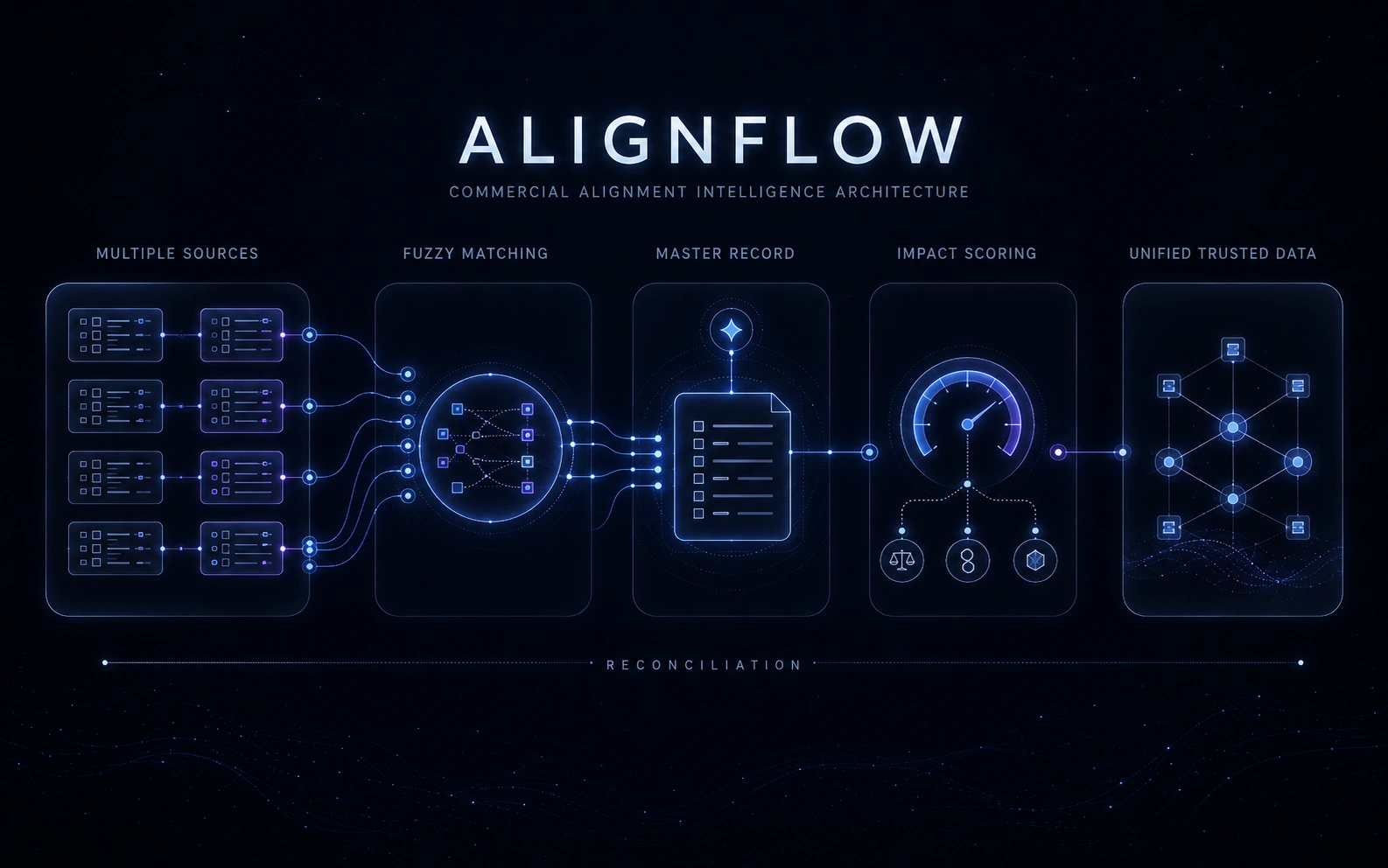
From there it went through data and machine learning, then into full-stack consulting, and now into building agentic AI systems for commercial use. Each step kept the one before it. The security instinct decides how a system fails. The MIS training decides what the system is for. The design year decides whether anyone can use it. That combination is the specialization, not four separate resumes stapled together.
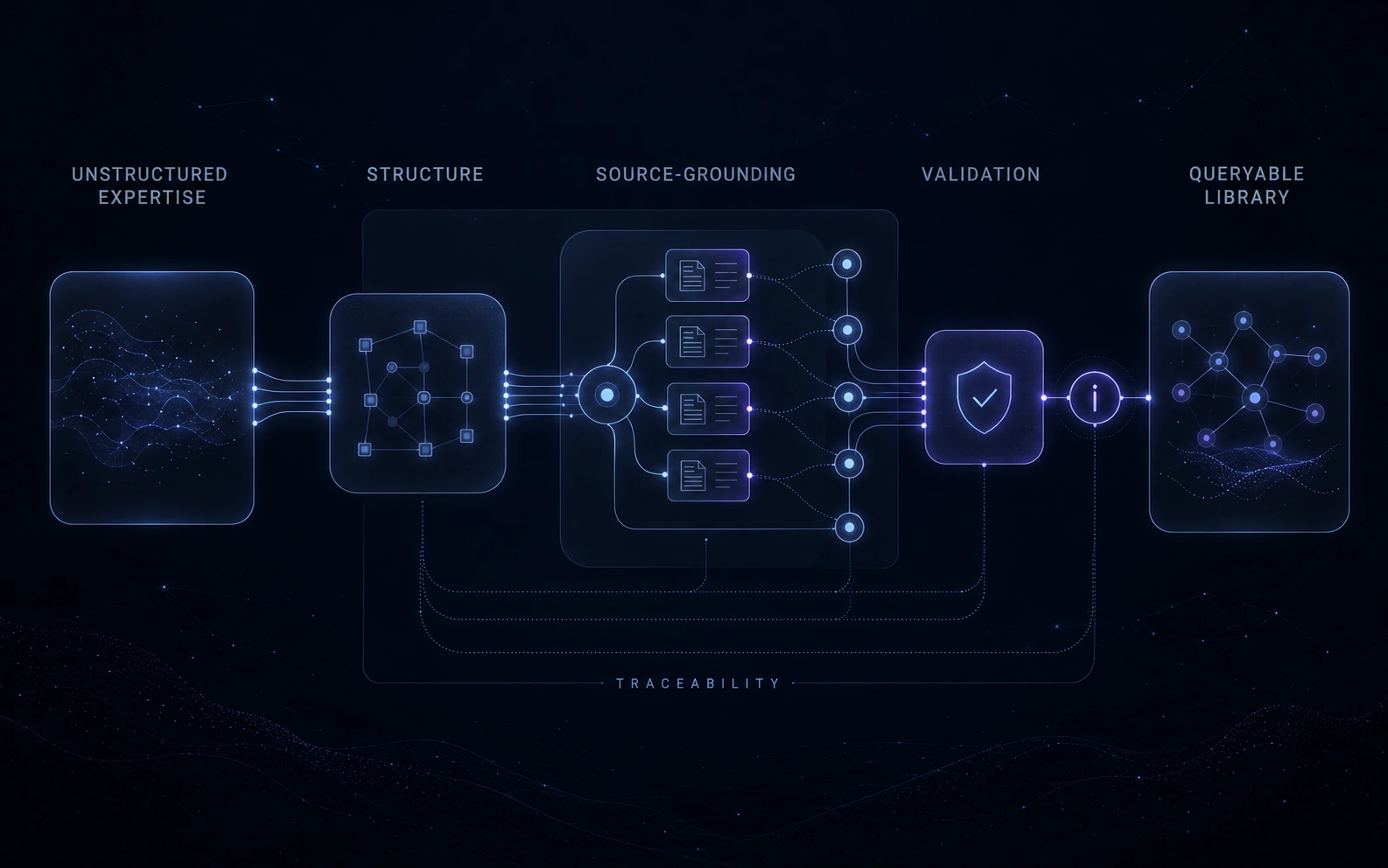
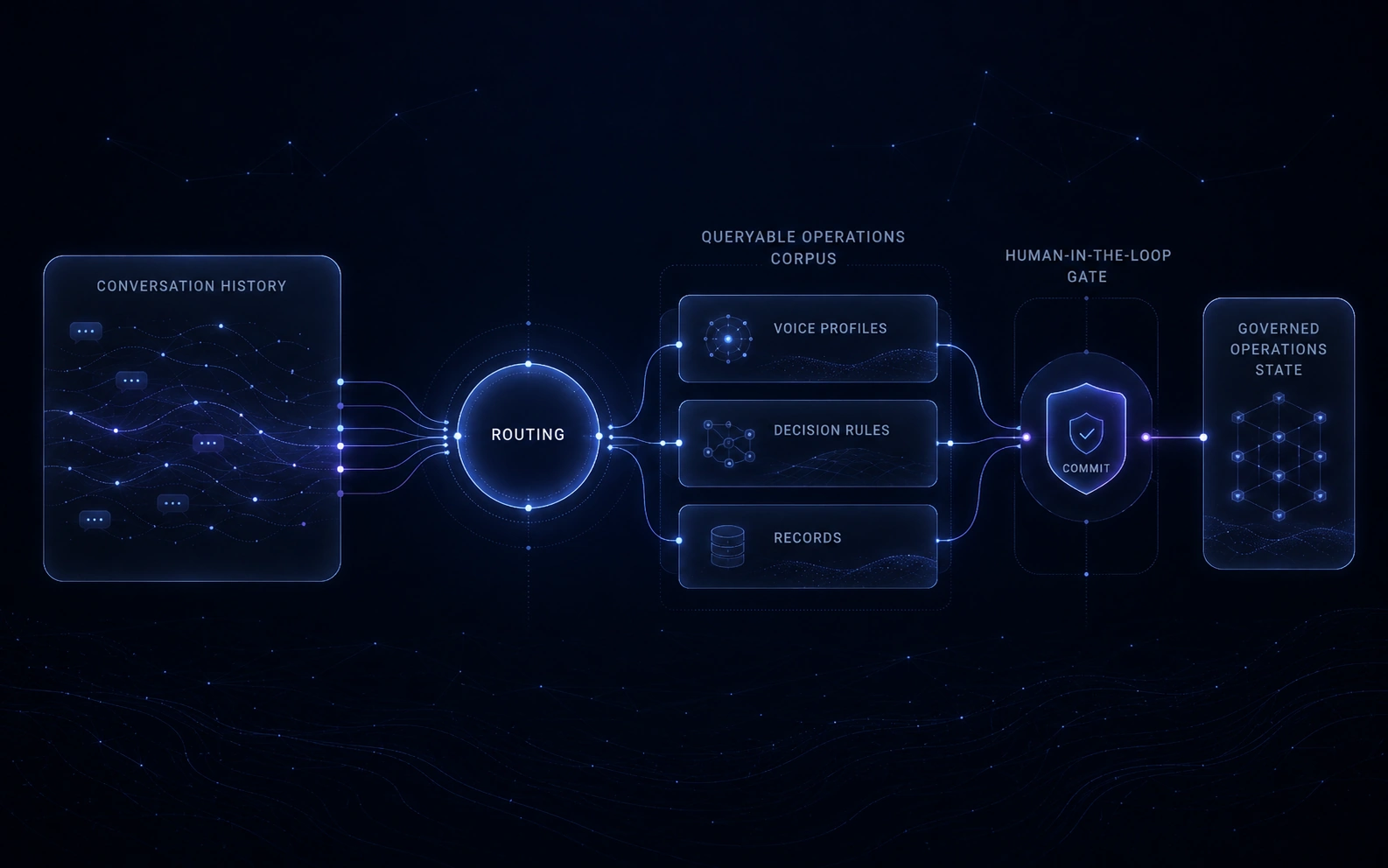
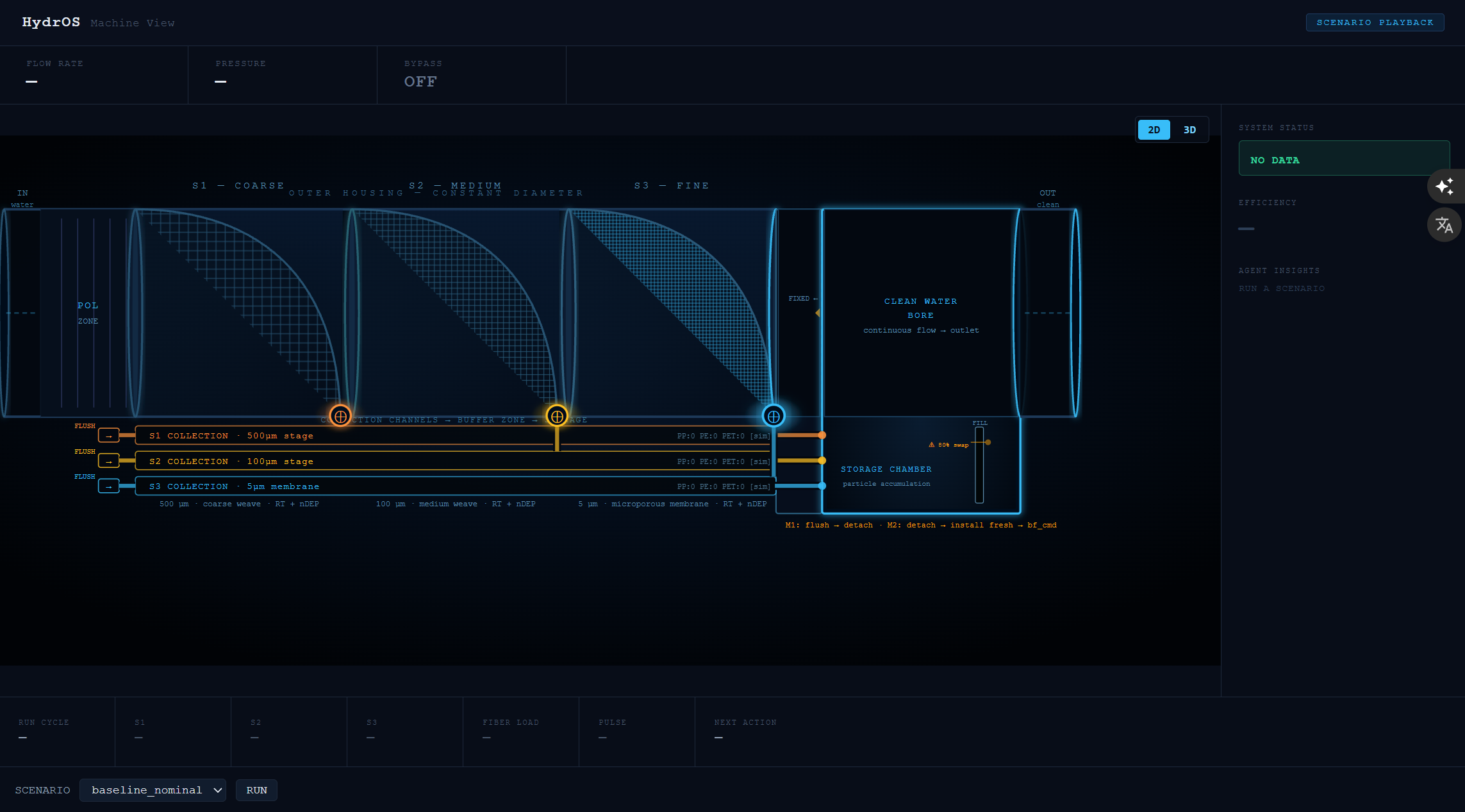
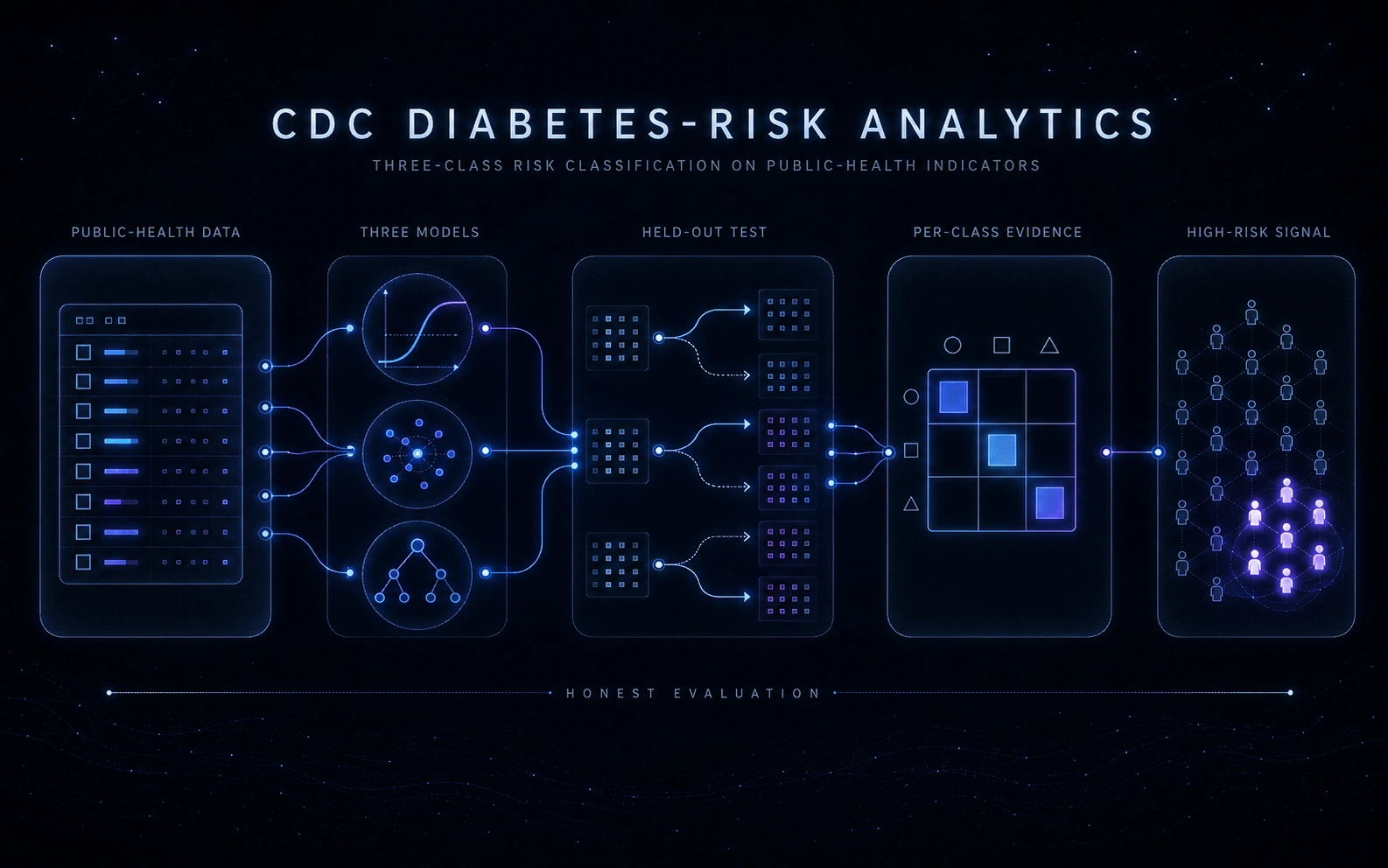
The work keeps a consistent shape whatever the domain: applications with real data models, testing and CI; AI that stays grounded in sources it can cite and hands consequential decisions to a person; and analysis that says out loud when a headline number is misleading. The claims stay checkable. Live links and public repos where they exist, honest labels where the work is private, and nothing rounded up in either case.